October 16, 2026
Modern homes depend on electricity for everything from everyday appliances to advanced technology and entertainment systems. As households introduce additional devices, electric vehicles, and high-powered equipment, their electrical systems must accommodate increasing demands. The electrical panel serves as the central distribution point for electricity, directing power to individual circuits throughout the property. Investing in electrical panel upgrades can help homeowners accommodate additional electrical loads while improving safety and reliability. Understanding how these systems operate, when improvements become necessary, and what the installation process involves allows homeowners to make informed decisions about their electrical infrastructure.
Understanding Electrical Panels and Their Functions
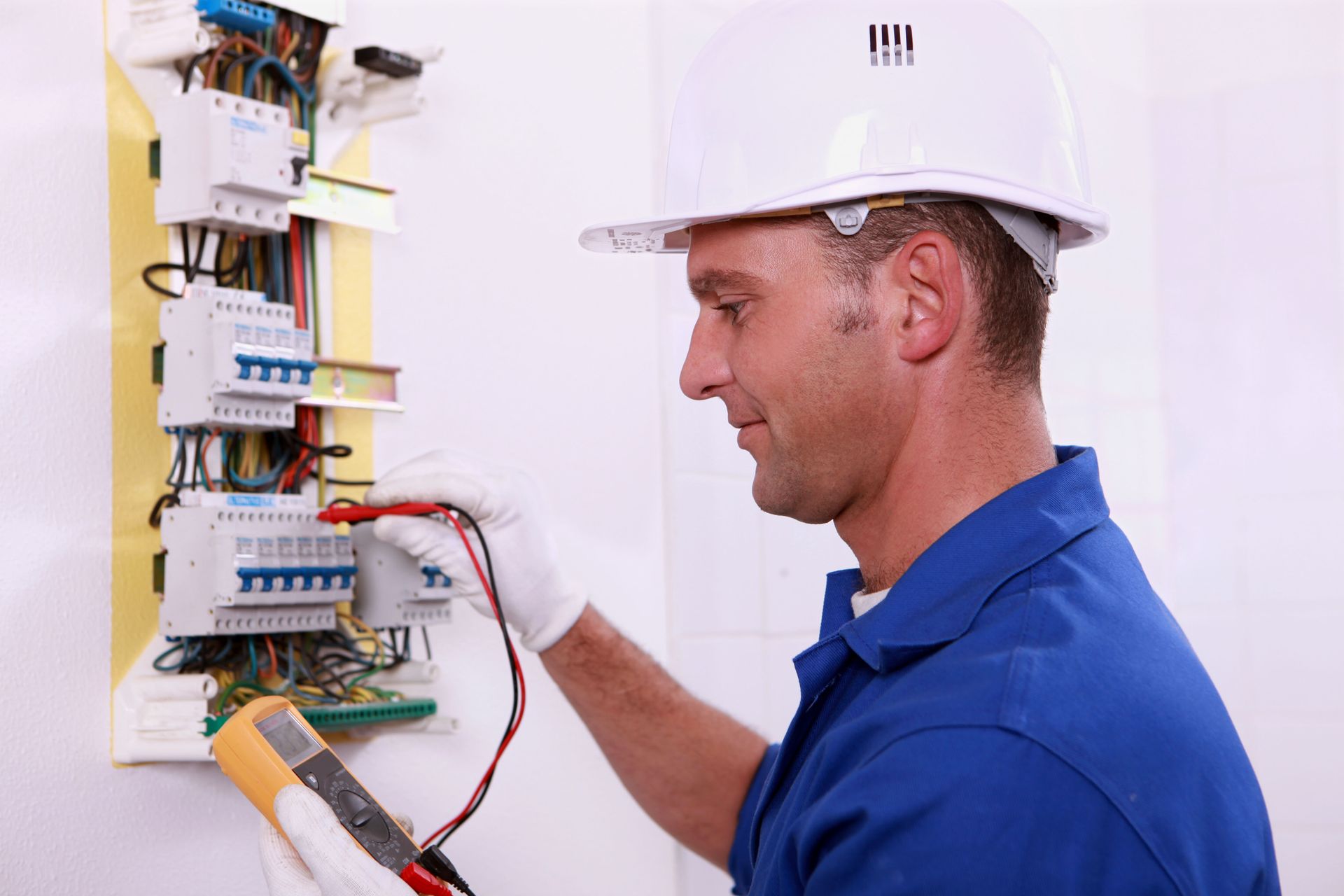
Electrical panels, commonly called breaker boxes, distribute electricity from the utility connection to different areas of a home. Each circuit supplies power to designated outlets, lighting fixtures, or appliances. Circuit breakers protect these connections by interrupting electricity when an overload or short circuit occurs. This protective function helps reduce the likelihood of overheating, damaged wiring, and electrical fires.
Most residential panels contain a main breaker, individual circuit breakers, neutral and grounding bus bars, and electrical connections. The main breaker provides a means of disconnecting power to the home's circuits, while individual breakers protect specific electrical pathways. Homeowners may encounter main breaker panels, main lug panels, and subpanels, depending on their property's electrical configuration. Understanding these components helps explain why professional inspections and properly designed improvements are important.
Recognizing Signs of an Outdated Electrical Panel
Several warning signs may indicate that a home's electrical infrastructure requires professional attention. Frequently tripping breakers, flickering lights, unusual buzzing sounds, and insufficient circuit space can suggest electrical problems. Burning odors, visible corrosion, or excessive heat around the panel require particularly prompt evaluation. Homeowners should never attempt to investigate internal electrical components without appropriate professional training.
Older fuse boxes and panels with limited capacity may struggle to accommodate modern household demands. According to a 2026 Lawrence Berkeley National Laboratory study, at least 20% of residential electrical panels across all panel sizes had no available breaker space. This finding highlights the importance of evaluating available circuit locations when planning additional equipment. However, limited breaker space does not automatically mean that replacement is necessary. A licensed electrician can determine whether electrical panel upgrades, circuit modifications, or alternative solutions are appropriate.
Accommodating Increasing Household Electrical Loads
Residential electricity demands continue evolving as homeowners incorporate additional appliances and technology. Electric heating equipment, induction ranges, air conditioning systems, and high-powered kitchen appliances can create substantial electrical loads. Simultaneous operation of several devices may place additional demands on an electrical system that was originally designed for fewer appliances.
Professional load calculations help determine whether existing infrastructure can safely support these requirements. Electricians evaluate connected equipment, applicable demand factors, and anticipated additions before recommending changes. Electrical panel upgrades may provide additional capacity when the existing service and distribution equipment cannot accommodate necessary circuits. Proper planning also helps homeowners avoid unnecessary replacements when their current systems remain suitable.
Preparing for Electric Vehicle Charging
Electric vehicles introduce another important consideration for residential electrical planning. Many homeowners prefer dedicated charging equipment that provides convenient access to electricity overnight. Depending on the charger and available electrical capacity, installation may require a dedicated circuit, additional breaker space, or changes to the existing service.
Before installing charging equipment, electricians should evaluate the property's electrical load and available infrastructure. Some households may benefit from energy management systems that regulate charging demand without requiring a complete service replacement. Others may need electrical panel upgrades to accommodate charging equipment safely. Evaluating these options allows homeowners to select an appropriate solution while preparing for possible future vehicle purchases.
Supporting Smart Home Technology and Renewable Energy
Smart thermostats, connected lighting, security equipment, and automated household systems have become increasingly common. Although many individual smart devices consume relatively little electricity, their supporting equipment must operate through dependable electrical circuits. Proper circuit organization and adequate capacity help maintain reliable operation as households introduce additional technology.
Renewable energy systems create further considerations. Solar installations, battery storage equipment, and associated electrical components require compatible connections and appropriate protective devices. Depending on the system configuration, electricians may recommend panel modifications, specialized equipment, or additional distribution capacity. Electrical panel upgrades can support certain renewable energy installations, although compatibility must be evaluated individually. Coordinating these improvements during initial planning can reduce complications when homeowners expand their energy systems later.
Planning and Budgeting for an Electrical Panel Upgrade
Successful electrical improvements begin with a detailed assessment of existing conditions and anticipated requirements. Homeowners should identify current appliances, planned renovations, future equipment purchases, and recurring electrical concerns. Sharing this information with an electrician helps establish realistic project requirements and prevents unnecessary expenditures.
Installation costs depend on panel capacity, wiring conditions, labor requirements, permitting, and the complexity of the existing electrical service. Additional expenses may arise when outdated wiring, grounding deficiencies, or utility connection modifications require attention. Homeowners should request detailed estimates outlining equipment, installation, inspections, and potential additional work.
Comparing qualified contractors can help identify appropriate solutions without sacrificing installation quality. Budgeting for necessary improvements and discussing future expansion plans may also reduce the likelihood of repeated electrical work.
Understanding the Professional Installation Process
Replacing an electrical panel requires specialized training, careful preparation, and coordination with applicable utility providers. The process typically begins with an inspection, electrical load calculations, equipment selection, and permit applications. Contractors then establish an installation schedule and explain the expected interruption to household electricity.
During installation, qualified electricians arrange for the necessary power disconnection, remove outdated equipment, and install the replacement panel. Existing circuits are transferred or modified as needed, and connections are secured according to applicable electrical standards. Contractors also evaluate grounding, bonding, and protective equipment to ensure that the completed installation meets relevant requirements.
After installation, electricians test circuit operation, verify electrical connections, and coordinate required inspections. Electrical panel upgrades should be completed by properly licensed professionals where licensing is required, rather than attempted as do-it-yourself projects. A final walkthrough allows homeowners to understand breaker identification, panel accessibility, and basic electrical safety precautions.
Maintaining Electrical Safety and Code Compliance
Electrical safety is a primary consideration when modifying residential power distribution equipment. Outdated components, overloaded circuits, damaged wiring, and improper connections can increase the risk of electrical shock or fire. Modern equipment, when correctly selected and installed, provides circuit protection suited to the home's electrical requirements.
Local building codes and electrical regulations establish requirements for equipment installation, circuit protection, grounding, and accessibility. Permits and inspections help verify that completed work satisfies applicable standards. Qualified electricians can explain these requirements and identify additional protective measures that may be appropriate.
Surge protection is another consideration for homeowners with sensitive electronics and expensive appliances. Whole-home surge protective devices can help reduce damage from certain transient voltage spikes, although they cannot prevent every electrical disturbance. Routine professional evaluations also help identify deterioration or developing problems before they become more serious.
Improving Reliability and Long-Term Home Functionality
An appropriately sized electrical panel can support dependable power distribution throughout a home. Replacing defective or inadequate equipment may reduce disruptions associated with specific electrical problems while providing sufficient circuit locations for additional appliances. However, a replacement panel does not automatically lower electricity consumption or eliminate utility-related outages.
Potential financial benefits depend on the circumstances. Modern electrical infrastructure may improve a property's appeal to prospective buyers, particularly when it supports contemporary appliances and planned improvements. Electrical panel upgrades can also help homeowners prepare for future renovations without repeatedly modifying inadequate distribution equipment.
Electrical panel upgrades represent an important option for homes experiencing increased electrical demands or limitations with existing equipment. Careful assessment, code-compliant installation, and routine maintenance help establish a dependable electrical system capable of supporting modern household activities. By planning proactively and working with qualified professionals, homeowners can maintain safer electrical infrastructure while preparing their properties for evolving technology and future improvements. Contact Gore's Services today and learn more about our electrical panel upgrade services.